Will Unrest in Nigeria Ever End?


Nigeria is a country full of life and potential but is often held back by ongoing unrest, including protests and sometimes violent clashes.
This continuous trouble stems from a mix of social, political, and economic issues that deeply affect the nation and its citizens.
Why Is There Unrest?
One major cause of unrest in Nigeria is the uneven distribution of wealth. Although Nigeria is rich in oil and other resources, many people remain poor. This situation leads to widespread dissatisfaction and anger.
Corruption makes things worse as it means that the resources meant to help everyone often end up in the hands of a few, which makes people trust the government less.
Ethnic and religious differences also play a part. Nigeria is home to over 250 ethnic groups and has a population almost equally divided between Christians and Muslims.
While this diversity could be a strength, it sometimes leads to conflict, especially when used by politicians to gain power or control.
High unemployment, particularly among young people, also fuels unrest. Many young Nigerians do not have jobs, making them more likely to join protests or be influenced by groups that promote violence.
Poor infrastructure like bad roads, unreliable power supply, and lack of clean water also hinder economic growth and make daily life challenging, adding to the frustration.
What Can Be Done?
To reduce unrest, both the government and the people need to work together. The government should focus on making itself more transparent and accountable. This means creating strong systems to fight corruption and ensure that leaders can be trusted.
Economic reforms are also important. The government should help grow other parts of the economy besides oil, like farming, technology, and renewable energy, to create more jobs and reduce poverty.
Education and skills training are crucial too. These can help young people find jobs and feel hopeful about their future. Improving infrastructure, like fixing roads and ensuring everyone has electricity and clean water, will also improve lives and support economic growth.
Citizens can help by talking more with each other to understand and solve ethnic and religious differences. Learning about their rights and how to hold leaders accountable can empower them to push for change in peaceful ways.
Being more involved in how their country is run and supporting groups that watch over the government can make sure different voices are heard in making decisions.


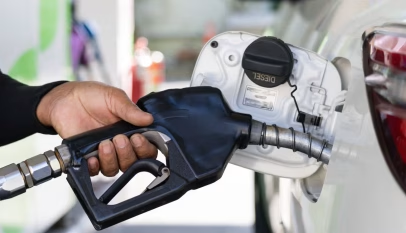


Oil Prices Climb After Fresh Iranian Attacks on UAE
Oil prices climbed on Tuesday after renewed Iranian attacks on the United Arab Emirates ra…

Oil Prices Climb After Fresh Iranian Attacks on UAE
Oil prices climbed on Tuesday after renewed Iranian attacks on the United Arab Emirates …