
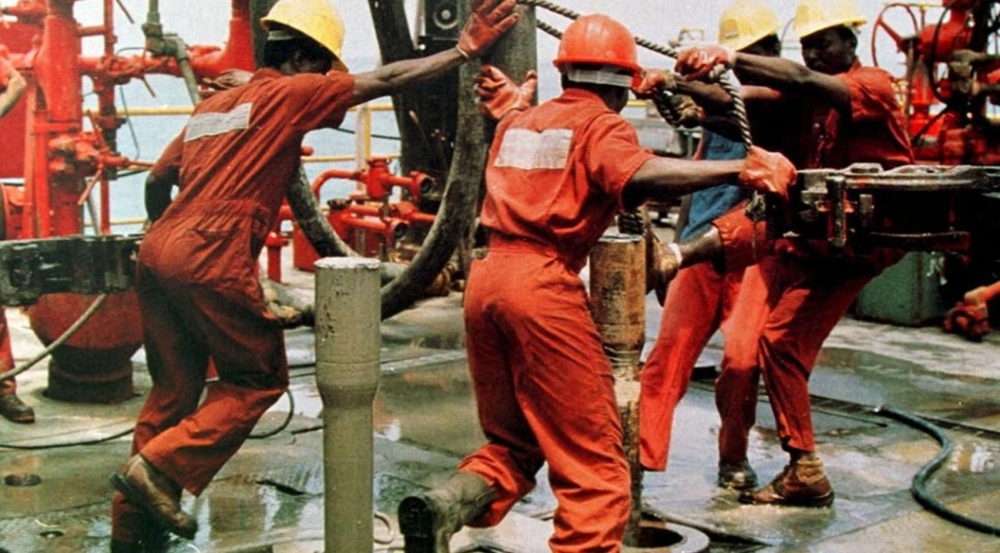
African oil and gas producers, including Nigeria, Algeria, and Liberia, are aggressively reviving licensing rounds and overhauling fiscal terms to attract global energy majors. This strategic pivot aims to capture significant foreign investment, boost production, and secure national revenues amidst evolving geopolitical landscapes that prioritise diversified energy supply chains.
Governments across the continent are fast-tracking approvals and introducing more competitive financial frameworks, signalling a renewed push to unlock vast untapped hydrocarbon reserves. The move comes as international oil companies (IOCs) reassess their portfolios, seeking stable acreage insulated from supply disruptions in traditional production hubs, particularly in the Middle East.
Nigeria, a major crude exporter, is at the forefront of this initiative. The Nigerian Upstream Petroleum Regulatory Commission (NUPRC) has been actively implementing provisions of the Petroleum Industry Act (PIA) 2021, designed to create a more transparent and investor-friendly environment. Recent bid rounds, including deepwater and marginal field opportunities, have seen a significant revamp in terms, targeting billions of dollars in new exploration and production investment.
The NUPRC has emphasised a commitment to regulatory predictability and efficiency, key factors for IOCs evaluating long-term commitments. This involves streamlining processes for obtaining exploration and production licences, reducing bureaucratic hurdles, and offering clearer pathways for profit repatriation.
African Producers Enhance Competitiveness for Global Investment
Algeria, another key African producer, is equally focused on revitalising its upstream sector, particularly in natural gas, to meet growing European demand. State energy giant Sonatrach and the Ministry of Energy are working to attract foreign partners to develop new fields and enhance existing ones. Algeria’s strategy involves adjusting its hydrocarbon law to offer more attractive contractual terms and incentives for international players, aiming to boost its export capacity significantly.
Liberia, a frontier exploration region, is also making concerted efforts to draw interest from global majors. Despite previous setbacks, the Liberian government is actively promoting its offshore blocks, highlighting promising geological data and a commitment to creating a stable investment climate. The nation seeks to leverage its unexplored potential to become a new energy frontier.
Industry analysts note that the global scramble for energy security, intensified by geopolitical events and supply chain vulnerabilities, has shifted IOC priorities. While the long-term energy transition remains a focus, short-to-medium-term security of supply and diversification of sourcing have become paramount. African assets, with their vast reserves and potential for quicker development cycles, are increasingly viewed as attractive propositions.
However, competition for capital remains fierce. African nations must not only offer competitive fiscal terms but also demonstrate robust regulatory frameworks, transparent governance, and a commitment to environmental and social standards. The success of these licensing revivals will depend heavily on the ability of governments to sustain these reforms and provide a stable operating environment for foreign investors.
The renewed emphasis on upstream development is expected to lead to a fresh wave of exploration and production activities across the continent. This could significantly impact the economies of participating nations through increased revenues, job creation, and technology transfer, even as the global energy landscape continues its gradual shift towards lower-carbon alternatives.
Explore more Oil & Gas stories and analysis from Business Elites Africa.


