
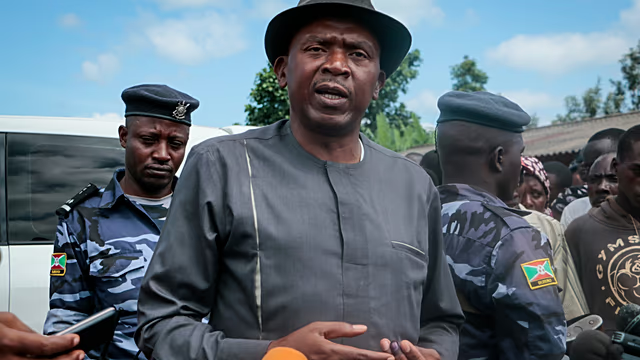
Burundi’s decision to bar its primary opposition leader from contesting next year’s presidential election has raised significant concerns regarding the country’s political stability and its ability to attract foreign investment.
The move, which effectively narrows the field for the 2027 electoral cycle, has triggered fresh warnings from analysts regarding the narrowing of democratic space in the Great Lakes region. As reported by Africanews, the exclusion is expected to heighten tensions as the election approaches.
For businesses operating within Burundi, the decision introduces a layer of political risk that often precedes periods of domestic unrest. Political exclusion of major figures frequently serves as a precursor to social volatility, which can disrupt supply chains, affect labour markets, and impact the ease of doing business.
Burundi has historically struggled with political transitions, and the exclusion of a major challenger suggests a potential departure from the inclusive political processes that international donors and investors typically look for when committing capital to emerging markets.
Implications for Investment and Regional Stability
The heightened political tension is likely to impact Burundi’s economic outlook. International investors typically demand predictable political environments, and the perceived erosion of competitive elections can lead to capital flight and reduced foreign direct investment (FDI).
The economic outlook for the region, as frequently monitored by the World Bank, remains sensitive to shifts in political governance. In Burundi, where economic growth is closely tied to regional trade and international aid, any significant political crisis could lead to a tightening of credit conditions and a slowdown in public infrastructure projects.
Furthermore, the decision could strain Burundi’s relationship with its regional neighbours and economic partners. As a member of the East African Community (EAC), Burundi’s internal stability is vital for the integrated trade networks that support the region’s manufacturing and agricultural sectors.
Political instability in one EAC member state can create ripple effects, affecting cross-border trade corridors and increasing the cost of insurance for logistics companies operating in the corridor. This creates a broader commercial risk that extends beyond Burundi’s borders.
The international community is expected to monitor the situation closely. The African Union and other regional bodies often intervene or issue statements when electoral processes appear to lack inclusivity, which can have direct consequences for the country’s eligibility for certain types of development financing and technical assistance.
As the 2027 election cycle begins to take shape, the immediate focus will be on the legal challenges that the barred opposition leader is expected to mount. The outcome of these legal proceedings will likely determine whether the electoral process maintains a semblance of legitimacy or moves toward a more contested and volatile environment.
Market participants and multinational corporations with interests in the region are advised to monitor these developments for any shifts in the country’s regulatory or security environment leading up to the polls.
Explore more Politics stories and analysis from Business Elites Africa.


