
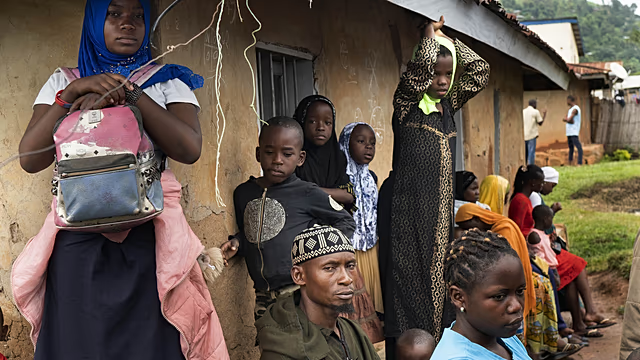
Confirmed Ebola cases in the eastern Democratic Republic of Congo have surpassed 6,000, with the death toll nearing 3,000, marking the largest outbreak in the country’s history.
The surge in infections represents one of the fastest-growing Ebola epidemics ever recorded. Health data indicates that 2,911 people have died, while more than 1,360 patients have recovered from the haemorrhagic fever.
The outbreak is concentrated in the volatile eastern provinces, where security challenges have historically hindered the delivery of medical interventions and the implementation of containment protocols. The scale of the current crisis exceeds previous epidemics in both speed of transmission and total case volume.
Medical teams are working to scale up the deployment of vaccines and therapeutic treatments. The World Health Organization has previously emphasised the importance of ring vaccination—vaccinating the contacts of confirmed cases—to break the chain of transmission in densely populated areas.
The crisis is unfolding in a region already strained by conflict and displaced populations, which increases the risk of the virus spreading across porous borders into neighbouring East African states.
Regional Trade and Mining Operations Under Pressure
The scale of the health emergency is creating significant risks for the regional economy. Eastern DRC is a critical hub for the extraction of strategic minerals, including cobalt and gold, which are essential for global technology and energy supply chains.
Health crises of this magnitude often trigger unplanned disruptions to labour productivity and the movement of workers. In previous outbreaks, mining sites and transport corridors experienced temporary shutdowns or restricted access to prevent the spread of the virus, leading to reduced output and increased operational costs for extractive companies.
Cross-border trade, a lifeline for millions in the region, faces similar threats. Increased screening at border crossings and potential travel restrictions can slow the movement of goods between the DRC and its neighbours, particularly Rwanda and Uganda.
The financial burden of the response also falls heavily on the state and international partners. Funding for the African Union and global health agencies must be rapidly scaled to cover the costs of isolation centres, personal protective equipment and the logistics of vaccine cold-chains in remote areas.
Public finance concerns are mounting as the government redirects resources toward emergency health measures. This shift often comes at the expense of other infrastructure projects and public services in the eastern provinces.
The current fatality rate remains a primary concern for health officials. While the availability of newer treatments has improved survival rates in recent years, the sheer volume of cases is overwhelming local healthcare capacity.
The response strategy now focuses on intensifying community surveillance and improving the speed of case identification. Efforts are being made to engage local leaders to combat vaccine hesitancy and misinformation, which have previously hindered containment efforts.
The next critical phase of the response involves preventing the virus from establishing a foothold in larger urban centres such as Goma. A widespread urban outbreak would likely result in more severe commercial disruptions and a sharper decline in regional economic activity.
Health authorities are currently awaiting updated data on the efficacy of current vaccine batches and are coordinating with the Centers for Disease Control and Prevention to monitor for any mutations in the virus strain that could affect treatment protocols.
Explore more News stories and analysis from Business Elites Africa.


