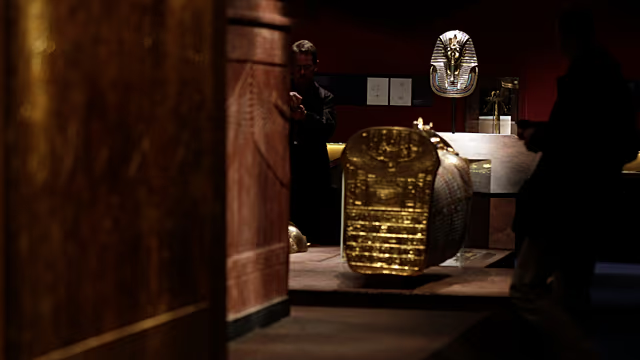
The Federal Bureau of Investigation (FBI) has returned dozens of looted Egyptian antiquities to the Egyptian government, following a successful recovery operation targeting international smuggling networks.
The handover took place during an official ceremony held on Friday in Los Angeles, where US officials presented the recovered items to Egyptian government representatives. The artifacts, which span three distinct historical eras, are considered significant cultural and economic assets for the Egyptian state.
The recovery follows a prolonged investigation by the FBI’s Art Crime Team, which has been working to dismantle the sophisticated pipelines used to move stolen heritage from North Africa into the global art market. The items include objects from various periods, though the specific archaeological periods have not been disclosed in detail by the attending officials.
This repatriation effort marks another chapter in the ongoing legal battle between sovereign nations and the illicit trade in cultural property. For Egypt, the return of these items represents not only a restoration of national heritage but also a significant recovery of high-value assets that were extracted through illegal channels.
Regulatory Pressure on the Global Antiquities Market
The return of these artifacts highlights the increasing regulatory scrutiny on the international trade of antiquities. For decades, the illicit sale of historical objects has functioned as a significant shadow economy, with high-value items being laundered through various auction houses and private collections to obscure their origins.
The economic implications of this black market are substantial. Beyond the direct loss of cultural capital, the smuggling of antiquities bypasses national taxation systems and undermines the formal, regulated trade in art and historical goods. By cracking down on these networks, the FBI and international partners aim to protect the legitimate market and ensure that high-value cultural assets are traded with verifiable provenance.
International frameworks, such as those established by UNESCO, have long sought to prevent the illicit import, export, and transfer of ownership of cultural property. However, the enforcement of these international standards relies heavily on the investigative capacity and bilateral cooperation of individual nations like the United States and Egypt.
The presence of smuggled Egyptian items in US jurisdictions often triggers complex legal proceedings, involving the seizure of assets under federal law. This process has become increasingly common as law enforcement agencies prioritise the disruption of organised crime groups that specialise in the movement of stolen goods across borders.
For African nations, the repatriation of such items is a critical component of economic and cultural sovereignty. The ability to reclaim stolen assets provides a foundation for the growth of the domestic tourism and heritage sectors, which are major contributors to the national GDP in many African economies.
Legal experts suggest that the success of this operation will likely lead to increased due diligence requirements for collectors and institutions operating within the United States. As the FBI continues to target the financial and logistical hubs of the antiquities trade, the risk profile for handling items without clear, documented provenance is expected to rise.
The Egyptian Ministry of Tourism and Antiquities is expected to begin the process of returning the items to Cairo immediately, where they will undergo assessment for museum display and national archives. Further investigations into the specific individuals and entities involved in the smuggling of these artifacts remain ongoing.
Explore more News stories and analysis from Business Elites Africa.