
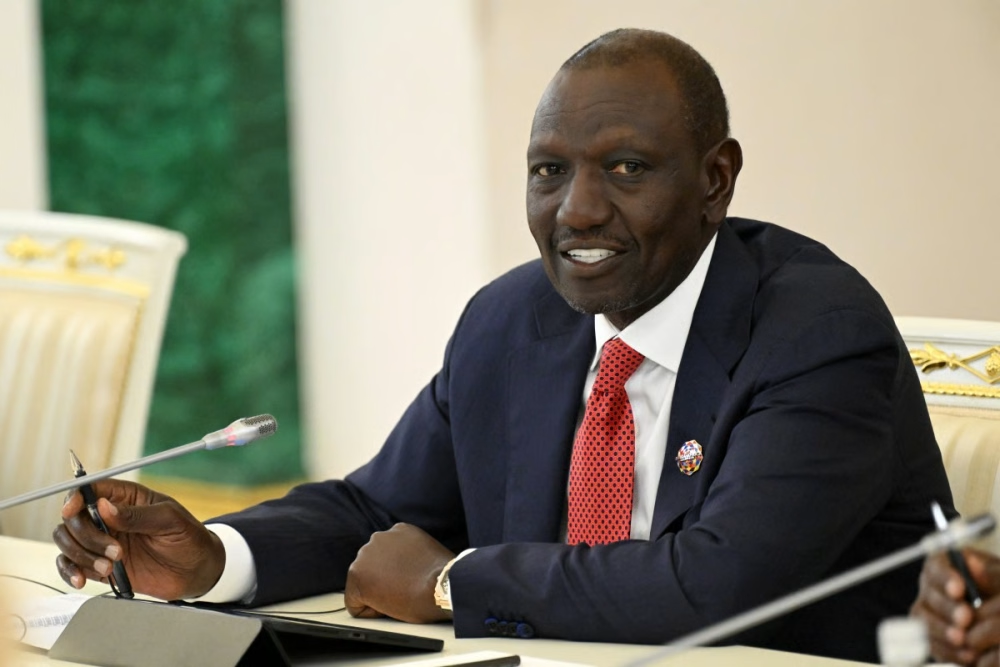
President William Ruto is strategically incorporating key former advisors of opposition leader Raila Odinga into his administration, a move poised to significantly influence Kenya’s economic and public finance policies ahead of the 2027 general elections. These legal minds, strategists, and policy experts are now playing a crucial role in shaping the President’s agenda, signaling a potential shift or reinforcement of national economic priorities.
The integration of these formerly opposing figures is reportedly part of ongoing negotiations between President Ruto and the Orange Democratic Movement (ODM), Odinga’s party, aimed at broader political stabilisation. While the immediate goal appears political, the involvement of seasoned policy experts in government-level planning has direct implications for the country’s business environment, investment climate, and fiscal trajectory.
Sources close to the presidency indicate that the advisors are contributing to critical areas such as debt management, revenue generation reforms, and the refinement of key development blueprints. Their expertise is being leveraged to ensure policy continuity and address persistent economic challenges, according to a report by The Africa Report.
President Ruto’s administration has consistently prioritised fiscal consolidation and enhancing domestic production. The input from a diverse pool of economic thinkers, even those previously aligned with the opposition, could broaden the perspective on these complex issues. Analysts suggest this collaboration could lead to more inclusive policy frameworks, potentially attracting wider public and investor confidence.
The engagement highlights a pragmatic approach by President Ruto to harness talent across the political spectrum, ostensibly to strengthen governance and implement his transformative economic agenda more effectively. For businesses, this might translate into a more predictable policy landscape, especially concerning taxation, regulatory reforms, and investment incentives as the government seeks to bolster economic growth.
Former Advisers Influence Key Economic Reforms
Among the crucial areas where these former Odinga confidants are expected to exert influence are the strategies for enhancing Kenya’s revenue collection and managing its national debt burden. Kenya’s public debt, which stood at KSh 10.5 trillion (approximately $70 billion) as of June 2024, has been a significant concern for international lenders and local businesses alike, impacting budget allocations and the availability of credit.
The new advisors are reportedly contributing to discussions on rationalising government expenditure and identifying new avenues for foreign direct investment, particularly in sectors aligned with President Ruto’s bottom-up economic model. This model aims to uplift small and medium-sized enterprises (SMEs) and informal sector workers, with a focus on agriculture, manufacturing, and digital economy growth.
Their involvement could also streamline regulatory processes and improve the ease of doing business in Kenya, a long-standing challenge for both local and international investors. Any policy shifts that reduce bureaucratic hurdles or provide clearer investment guidelines would be welcomed by the private sector, potentially stimulating job creation and economic diversification.
The strategic appointments suggest a recognition within the government that broad-based political consensus can facilitate smoother economic reforms. As Kenya looks towards 2027, the success of these policy integrations will likely be measured by their tangible impact on key economic indicators such as GDP growth, inflation rates, and employment figures. Investors and businesses will be closely watching how this new alignment translates into actionable economic policy and a more stable operating environment.
Explore more Politics stories and analysis from Business Elites Africa.


