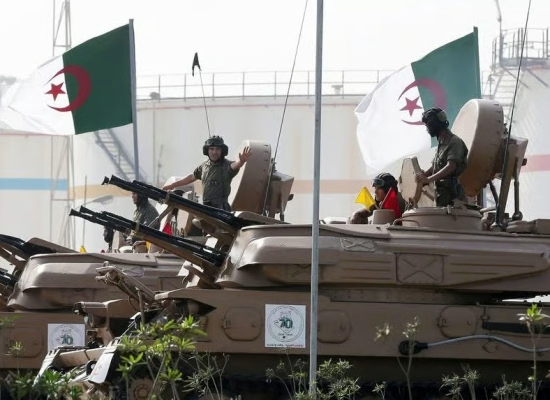
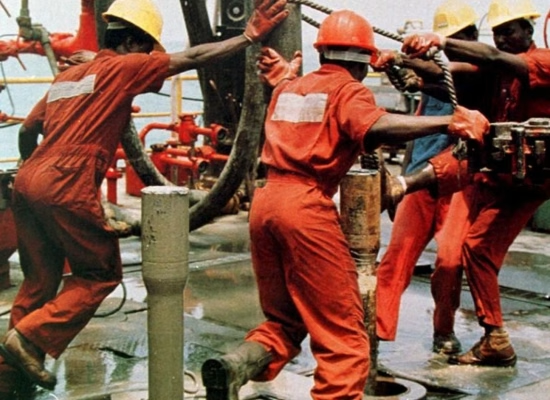
Nigeria has shifted the deployment of US-supplied security hardware from counter-terrorism operations to the protection of critical oil infrastructure to mitigate systemic theft and pipeline vandalism in the Niger Delta.
The realignment follows a persistent decline in oil production caused by “bunkering” and sabotage, which have cost the federal government billions of dollars in lost foreign exchange and royalty payments.
For several years, the procurement of US military and surveillance equipment was primarily geared towards the fight against Boko Haram and ISWAP in the North East. However, the escalating economic threat posed by oil theft in the South has prompted a strategic pivot in how these assets are utilised.
The equipment, which includes advanced surveillance drones, communication systems, and tactical hardware, is now being integrated into the security architecture designed to monitor pipelines and flow stations. This transition aims to provide real-time intelligence on illegal tapping activities and faster response times for security forces.
The Nigerian Upstream Petroleum Regulatory Commission (NUPRC) has previously highlighted the devastating impact of pipeline breaches on the country’s ability to meet its OPEC production quotas. The loss of crude oil through illegal outlets has historically hampered Nigeria’s efforts to stabilise its daily output.
Combating the Economic Drain of Oil Theft
Oil theft remains one of the most significant drags on Nigeria’s public finance. The Nigerian National Petroleum Company (NNPC) Ltd has frequently reported massive losses due to the sophisticated methods used by oil thieves to siphon crude from the Trans-Forcados and Trans-Niger pipelines.
The use of US-made hardware is expected to enhance the capability of the Joint Task Force (JTF) and other security agencies to detect clandestine pipelines and monitoring hubs. By employing aerial surveillance and electronic monitoring, the government intends to reduce the reliance on manual patrols, which have often been compromised by local collusion.
The shift comes as the US government continues to balance its security cooperation with Nigeria. While the US has previously expressed concerns over human rights in the context of counter-insurgency, the protection of global energy markets and the stability of Africa’s largest oil producer align with broader US economic interests.
Investment in the oil sector has remained cautious as international oil companies (IOCs) grapple with the insecurity of their assets. The deployment of more effective security technology is viewed as a necessary step to restore investor confidence and encourage the exploration of new fields.
Data from the World Bank indicates that Nigeria’s heavy reliance on oil exports makes its budget highly sensitive to production volatility. Any improvement in the security of the midstream and upstream sectors directly translates to increased fiscal space for the government.
Security experts suggest that hardware alone cannot solve the crisis. They argue that the technical capabilities provided by US equipment must be paired with community engagement and a more transparent management of oil revenues to address the root causes of bunkering in the Niger Delta.
The Nigerian government is expected to review its security procurement strategy in the coming months to determine if further specialised surveillance technology is required. This may include expanded contracts for US-made satellite monitoring and sensor arrays to create a comprehensive digital fence around critical energy assets.
Explore more Oil & Gas stories and analysis from Business Elites Africa.