
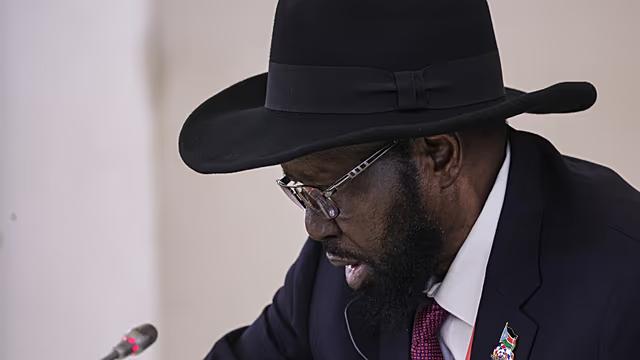
South Sudanese President Salva Kiir has lifted the state of emergency in four key regions, signalling a significant move toward the country’s long-delayed general elections now expected in early 2027.
The announcement, confirmed by state television on Thursday, has generated a sense of cautious optimism among local leaders and political stakeholders. The removal of emergency measures marks a transition from heightened security protocols to the administrative preparations required for a national poll.
The decision to rescind the state of emergency follows years of political volatility and multiple extensions of the transitional period. Under the previous emergency mandates, authorities held expanded powers to manage security and movement in areas prone to communal violence and civil unrest.
The transition to a permanent government has been fraught with delays, primarily due to challenges in implementing the 2018 Revitalised Agreement on the Resolution of the Conflict in the Republic of South Sudan. The process of unifying security forces and conducting a national census—essential precursors to a credible vote—has historically hampered the electoral timetable.
This latest development, as reported by Africanews, suggests that the government is attempting to de-escalate tensions to create a more conducive environment for the upcoming democratic process.
Impact on Economic Stability and Investment
For the South Sudanese economy, the move toward electoral normalcy is closely tied to the country’s ability to attract and retain foreign direct investment. South Sudan remains heavily dependent on oil exports, which account for the vast majority of its national revenue. Political instability and security emergencies have historically posed significant risks to the infrastructure and pipelines essential for oil production and transport through neighbouring Sudan.
A more stable political landscape, facilitated by the lifting of emergency rules, could potentially lower the risk premium for international energy firms and infrastructure developers operating in the region. Investors typically seek predictability in governance and the rule of law, both of which are critical for long-term capital commitments in the East African bloc.
Furthermore, the World Bank has previously noted that South Sudan’s economic growth is highly sensitive to both political stability and global oil prices. The successful transition to an elected government could provide the institutional framework necessary for more consistent fiscal policy and improved management of public finances.
However, significant hurdles remain before the 2027 polls can be successfully conducted. The government must still navigate the complexities of voter registration, the establishment of an independent electoral commission, and the continued integration of various armed factions into a single national army.
The international community, including the United Nations and the African Union, continues to monitor the transition closely. These organisations have frequently called for transparency and inclusivity in the electoral roadmap to ensure that the resulting government possesses the legitimacy required to maintain lasting peace.
As the country moves into this next phase, the focus will likely shift to the logistical implementation of the election calendar. The primary challenge for the administration will be maintaining the current momentum of security improvements while managing the high expectations of a population eager for a permanent and stable political settlement.
Explore more Politics stories and analysis from Business Elites Africa.


