
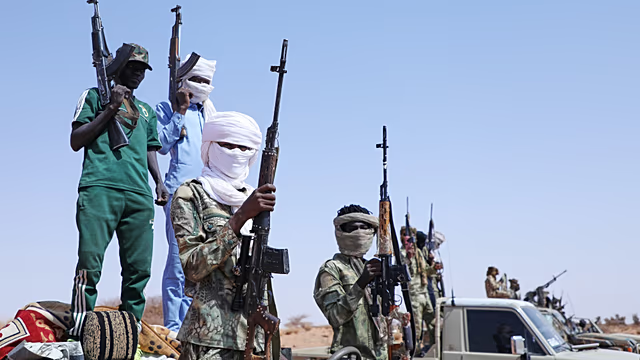
Sudanese political forces and civil society groups meeting in Addis Ababa have rejected a proposal for a national dialogue initiated by General Abdel Fattah al-Burhan, the head of the Sudanese Armed Forces (SAF).
The decision follows a major gathering in Ethiopia aimed at unifying opposition voices and establishing a collective stance against the ongoing conflict that has devastated the country since April 2023.
The opposition groups stated that the proposed dialogue lacks the necessary inclusivity and fails to address the core demands of civilian-led governance. They argued that Burhan’s initiative is a tactical move to consolidate military power rather than a genuine attempt to end the hostilities between the SAF and the Rapid Support Forces (RSF).
The rejection comes at a critical juncture as the war continues to fuel one of the world’s worst humanitarian crises, with millions displaced and widespread famine reported across several states.
Diplomatic efforts coordinated by the African Union and other international mediators have struggled to bring the warring factions to a sustainable ceasefire, with the Addis Ababa meeting highlighting the deep rift between the military leadership and civilian political actors.
Sudan’s Economic Collapse Deepens Amid Political Impasse
The failure to reach a political consensus is exacerbating a catastrophic economic decline. Sudan’s economy has suffered one of the steepest contractions globally, with the World Bank previously warning of a complete collapse of state functions if the conflict persists.
The war has effectively halted the production of key agricultural exports. Sudan’s gold mining sector and its gum arabic industry, which are primary sources of foreign exchange, have been severely disrupted by the fighting and the breakdown of law and order in mining regions.
In Khartoum, the nation’s commercial hub, the destruction of banking infrastructure and the looting of industrial zones have wiped out billions of dollars in private investment. Many SMEs and manufacturing plants have been completely destroyed or abandoned, removing the primary engine of urban employment.
Hyperinflation has eroded the purchasing power of the Sudanese pound, making basic food and medicine unaffordable for the majority of the population. The disruption of the agricultural cycle in the Gezira scheme, one of Africa’s largest irrigation projects, has further threatened food security and export revenues.
Financial institutions have largely ceased operations in conflict zones, forcing a reliance on informal remittance networks to sustain the displaced population. This lack of formal financial flow has prevented the government from managing public debt or accessing international credit markets.
The United Nations has repeatedly cautioned that the lack of a political settlement is preventing the delivery of essential aid and the restoration of basic services, including electricity and water, which are critical for any future economic recovery.
The opposition groups in Addis Ababa maintained that any meaningful dialogue must be preceded by a verified ceasefire and the removal of military influence over the transition to a civilian government.
The next phase of diplomatic engagement will likely involve further pressure from regional powers and the international community to force a compromise between the SAF leadership and the broader coalition of civilian forces.
Explore more Politics stories and analysis from Business Elites Africa.


