
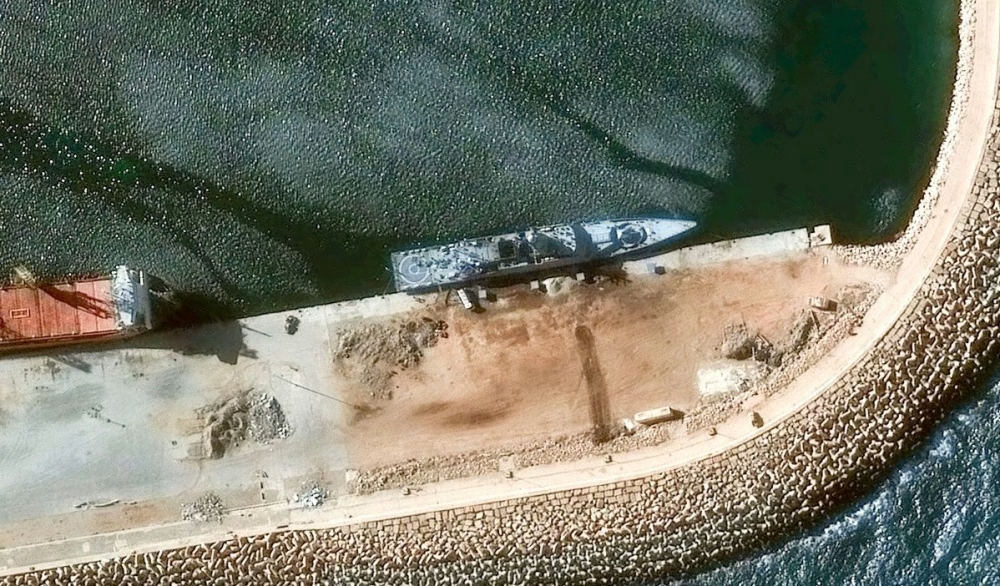
A recent Ukrainian strike on a Russian naval vessel in Libyan waters has exposed critical vulnerabilities in Moscow’s logistical network, potentially disrupting its expanding commercial and security operations across Africa. The attack, targeting a Russian warship near Tobruk, highlights the operational risks to Russia’s supply lines that underpin its influence on the continent.
The incident demonstrates that the conflict in Ukraine is extending its reach, creating tangible consequences for Russia’s ability to sustain its multifaceted engagement in Africa. This logistical fragility could impact the flow of military hardware, personnel, and essential supplies to Russian-backed entities like the Africa Corps, which operates security and resource extraction contracts in several African nations.
Reports indicate the vessel, likely a landing ship, played a crucial role in transporting military cargo and equipment through the Mediterranean. Its disruption could force Russia to seek more circuitous, costly, or less secure alternative routes, thereby increasing the operational burden on its African ventures.
Implications for African Resource and Security Partnerships
Russia has significantly expanded its footprint in Africa in recent years, often through security cooperation agreements that frequently involve the deployment of private military contractors, such as the former Wagner Group, now rebranded under the Africa Corps. These engagements are often intertwined with commercial interests, including mining concessions for valuable minerals like gold, diamonds, and uranium in countries such as Mali, the Central African Republic (CAR), and Sudan.
The vulnerability of these maritime supply lines directly affects the reliability of Russian support to these African partners. Governments in nations relying on Russian security assistance or participating in joint resource ventures may face delays in receiving critical supplies or personnel, potentially impacting internal stability and the continuity of these commercial projects. For instance, the secure transport of mined resources or equipment for extraction operations could be compromised, adding layers of risk to existing agreements.
Analysts suggest that such disruptions could also prompt African leaders to re-evaluate the long-term viability and costs associated with Russian partnerships, particularly if the logistical challenges translate into tangible operational setbacks or increased expenses for receiving Russian support. The incident underscores the inherent risks of relying on a distant power whose primary focus remains its conflict in Eastern Europe.
Beyond security, Russia’s broader economic engagement includes arms sales, energy deals, and agricultural trade, particularly grain. While the direct impact on these broader trade relationships might not be immediate, a perceived instability in Russia’s logistical capabilities could affect confidence in its ability to fulfil long-term commitments.
African nations continue to navigate a complex geopolitical landscape, balancing relationships with various global powers. The recent strike serves as a stark reminder of how global conflicts can intricately link and potentially destabilise regional commercial and security dynamics, compelling African stakeholders to consider the resilience of their international partnerships against unforeseen external shocks.
Explore more News stories and analysis from Business Elites Africa.


