
The United States has extended its comprehensive trade embargo on Cuba for another year, ensuring the continuation of strict restrictions on commerce and financial transactions with the Caribbean island.
The decision maintains a policy that severely limits Cuba’s ability to export goods to the US and restricts the flow of US dollars into the Cuban economy.
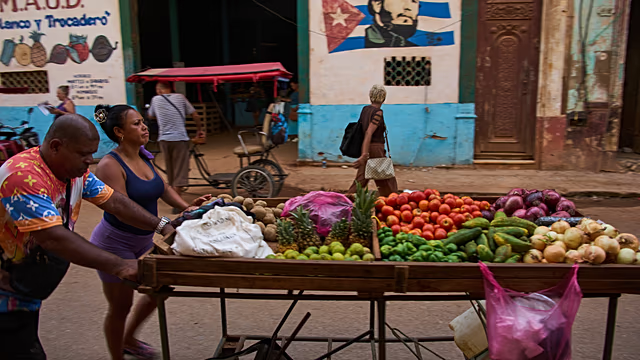
Cuban citizens and local businesses are facing intensified hardship as the extension coincides with a period of acute scarcity, characterized by frequent power outages and critical fuel shortages.
The embargo, which dates back to the 1960s, remains one of the longest-running unilateral sanctions regimes in modern history. It prohibits most trade between the two nations and complicates Cuba’s access to international credit and global banking systems.
For the Cuban people, the material consequence of this policy is felt most acutely in the daily struggle for basic utilities. Persistent blackouts have become a hallmark of the current economic climate, disrupting both domestic life and small-scale commercial activity.
The lack of reliable electricity has crippled many SMEs and home-based businesses, which are unable to maintain cold chains for food or operate essential machinery.
Economic Strain and Energy Infrastructure Collapse
The current crisis is compounded by Cuba’s failing energy infrastructure. The state-run power grid is struggling to meet demand, largely due to a lack of investment and the inability to import necessary spare parts and modern technology due to sanctions.
Fuel shortages have further paralyzed the transport sector. Many Cubans report that the scarcity of diesel and petrol has made the movement of goods from rural production areas to urban markets nearly impossible, driving up food prices.
This supply chain collapse has contributed to soaring inflation. The United Nations General Assembly has consistently voted in favour of ending the embargo, citing its disproportionate impact on the civilian population and its hindrance to economic development.
The Cuban government has frequently pointed to the US embargo as the primary obstacle to its economic recovery. State officials argue that the restrictions prevent the island from diversifying its trade partners and accessing the foreign exchange needed to stabilise the currency.
However, some economic analysts suggest that the crisis is also driven by internal systemic failures, including the inefficiencies of the state-planned economy and the challenges of recent currency reforms.
The impact on public finance is significant. By limiting Cuba’s trade options, the embargo reduces government revenue from exports, leaving the state with fewer resources to subsidise basic goods or maintain critical infrastructure.
International financial institutions have noted that the risk associated with US sanctions makes many foreign investors hesitant to commit capital to Cuban projects, regardless of the sector.
The US Department of the Treasury manages the specific licensing requirements that allow for very limited exceptions, such as the sale of medicines and medical devices, though even these transactions often face banking delays.
Looking at the current trajectory, the extension of the embargo is likely to maintain the status quo of economic isolation. Without a fundamental shift in diplomatic relations or a significant easing of trade restrictions, the island’s energy and fuel crises are expected to persist.
The next major international indicator will be the annual UN vote on the necessity of lifting the embargo, which typically serves as a barometer for global sentiment regarding the legality and morality of the sanctions.
Explore more Business stories and analysis from Business Elites Africa.


