
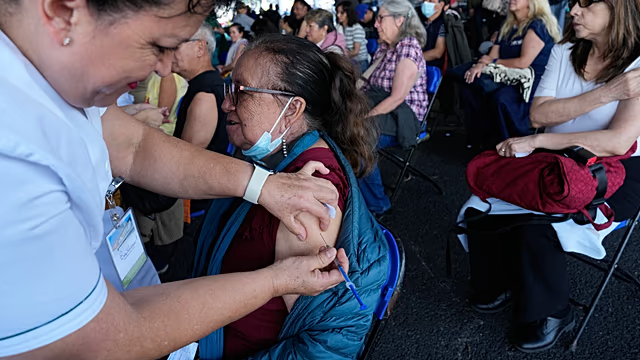
The World Health Organization (WHO) has reported that global measles-related deaths have fallen to a historic low, following decades of intensive vaccination efforts that have saved an estimated 60 million lives since 2000.
However, the health agency issued a stern warning that widening gaps in vaccine coverage could reverse these gains, potentially triggering widespread outbreaks that pose significant risks to both public health and economic stability.
While the decline in mortality represents a major achievement for global health, the WHO noted that the progress is increasingly fragile. The agency highlighted a concerning trend where the number of people receiving essential immunisations has stagnated in several regions, even as population growth continues to accelerate.
This stagnation is particularly pronounced in parts of Africa and Asia, where the proportion of children receiving the first dose of the measles vaccine has failed to keep pace with the growing number of infants. The widening immunity gap is not merely a medical concern; it is a significant fiscal risk for developing economies.
For governments, the consequences of preventable disease outbreaks are often measured in unplanned emergency expenditures. Responding to an active outbreak requires rapid mobilization of funds, which often diverts capital away from other critical public infrastructure and long-term healthcare development projects.
Fiscal Pressures and Supply Chain Vulnerabilities
Beyond the immediate costs of emergency medical response, measles outbreaks carry a heavy secondary economic burden. Significant losses in labour productivity occur when outbreaks lead to widespread illness, causing increased absenteeism in the workforce and placing immense pressure on social safety nets.
In many African nations, the challenge of maintaining high vaccination rates is inextricably linked to infrastructure and supply chain logistics. Ensuring the integrity of the “cold chain”—the temperature-controlled supply chain required to keep vaccines viable from factory to clinic—remains a major capital expenditure challenge for many health ministries.
The lack of reliable electricity and robust transport networks in rural areas often increases the cost of the “last mile” of vaccine delivery. This logistical difficulty can lead to higher wastage rates and increased procurement costs, further straining the limited public health budgets of many low-income countries.
International organisations such as Gavi, the Vaccine Alliance play a critical role in mitigating these costs by subsidising vaccine procurement and supporting the strengthening of national immunisation systems. However, the WHO’s report suggests that the financial gap between proactive immunisation and reactive outbreak management is widening.
The pharmaceutical sector also faces implications from these trends. While stable, high-coverage environments provide predictable demand for vaccine manufacturers, the volatility caused by sporadic, large-scale outbreaks can disrupt supply chains and create unpredictable market fluctuations in the medical commodities space.
To safeguard the progress made since the turn of the century, the World Health Organization is calling for more resilient primary healthcare frameworks and sustained investment in vaccine delivery infrastructure. The agency emphasised that the cost of preventing an outbreak through regular immunisation is significantly lower than the economic and human cost of managing a full-scale epidemic.
The ability of African nations to bridge these immunity gaps will likely depend on increased domestic health spending and the continued support of international development finance to shore up the logistical and physical infrastructure required for universal vaccine access.
Explore more Business stories and analysis from Business Elites Africa.


