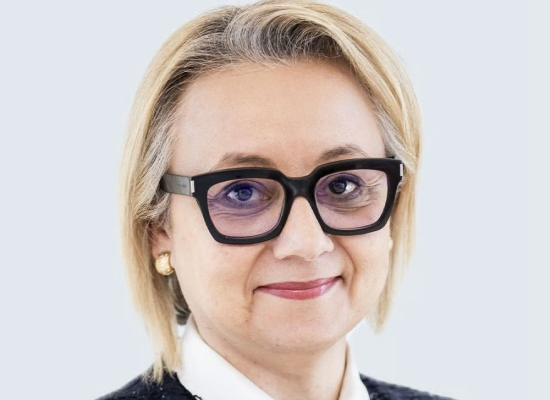
Herman Mashaba has been appointed as the new Mayor of Johannesburg, bringing a prominent entrepreneurial background to the leadership of South Africa’s most critical economic hub. The appointment marks a significant shift in the political and administrative direction of the municipality, which serves as the financial engine of the country.
Mashaba, who transitioned from a successful career in the private sector to politics, enters office with a profile defined by both business acumen and a distinct political identity. His rise to the mayoralty follows a period of complex coalition negotiations within the city council, aimed at stabilising governance in a municipality that has faced significant fiscal and operational challenges.
Known primarily for his success in the retail sector, Mashaba built his wealth through the development of his hair care brand, Mashaba Hair. His experience as a self-made entrepreneur is expected to influence his approach to municipal management, particularly regarding the city’s support for small and medium-sized enterprises (SMEs) and the streamlining of local business regulations.
The appointment comes at a time when Johannesburg is grappling with systemic issues including municipal debt, deteriorating infrastructure, and inconsistent service delivery. As the seat of the Statistics South Africa economic data hubs and a primary driver of national GDP, the city’s stability is paramount to investor confidence in the region.
Economic Management and Municipal Governance
The transition from business owner to mayor places Mashaba in a position where he must balance populist political mandates with the technical requirements of urban economic management. His political platform has frequently touched upon sensitive issues, including his stance on undocumented migration, which has shaped his public persona and political movement.
For the business community, the primary focus will be on how the new administration handles the City of Johannesburg’s balance sheet. The municipality has faced ongoing scrutiny over its ability to collect revenue and manage its long-term debt obligations. Analysts suggest that a leadership team with a private-sector mindset may prioritise fiscal discipline and the improvement of the city’s creditworthiness.
Infrastructure remains the most pressing concern for commercial interests in the city. Reliable electricity, water supply, and road networks are essential for the continued operation of Johannesburg’s manufacturing and service sectors. The new mayor will be expected to coordinate with national government agencies and utility providers to ensure that essential services are prioritised in the municipal budget.
Mashaba’s background in the consumer goods sector provides him with a unique perspective on the importance of local supply chains and the role of the informal economy in urban stability. However, his ability to translate business efficiency into public sector performance will be tested by the complexities of municipal bureaucracy and the multi-party dynamics of the city council.
The local business federation and various chambers of commerce are closely monitoring the administration’s first steps. Key areas of interest include the implementation of digital transformation within municipal services to reduce corruption and the reform of procurement processes to ensure transparency and competitiveness.
As the new administration settles into office, the immediate priority will be the presentation of the upcoming municipal budget. This document will serve as the first concrete indicator of Mashaba’s policy priorities, particularly concerning capital expenditure on infrastructure and the allocation of resources to various metropolitan districts.
The next phase of the administration’s tenure will involve navigating the legislative requirements of the South African government frameworks to implement local policy changes. The effectiveness of Mashaba’s leadership will likely be measured by the city’s ability to restore basic services and create a more predictable environment for both local and international investment.
Explore more Business stories and analysis from Business Elites Africa.