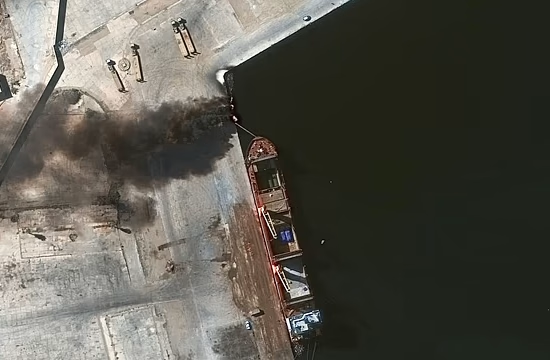
The Italian government has expressed significant concern following a Ukrainian drone strike on Russian vessels within Libyan waters, warning that such uncoordinated military actions could undermine fragile international efforts to stabilise and reunify the North African nation.
Addressing parliament on Thursday, Italy’s Foreign Minister stated that Rome was not informed of the Sunday drone strike prior to its execution. The lack of diplomatic coordination has raised alarms in Rome regarding the potential for further military escalations to destabilise the Mediterranean region and disrupt the political process in Libya.
The strike, which targeted Russian-flagged ships operating in Libyan maritime territory, marks a concerning expansion of the kinetic elements of the Russia-Ukraine conflict into African maritime jurisdictions. For Italy, which maintains significant economic and security interests in North Africa, the incident represents a breakdown in the predictable security environment required for regional stability.
The incident comes at a time when Libya remains deeply divided between rival political administrations in Tripoli and the east. The United Nations Support Mission in Libya has been working to facilitate a unified government, but the introduction of external combat elements into Libyan waters threatens to reignite local tensions and complicate the mandate of international mediators.
Geopolitical Tensions and Mediterranean Energy Risks
Beyond the immediate diplomatic fallout, the strike carries profound implications for Mediterranean maritime security and energy stability. Libya’s economy remains heavily reliant on its oil and gas sector, with much of its critical infrastructure located near the coastline. Any escalation of hostilities in Libyan waters poses a direct threat to offshore assets and the maritime corridors used for energy exports.
Italy is a major stakeholder in this landscape, with significant investments in Libyan energy through state-backed entities. The stability of the Libyan coastline is essential for the uninterrupted flow of hydrocarbons to Europe, particularly as the continent seeks to diversify its energy sources away from Russian supplies. Military engagements involving Russian-affiliated assets in these waters create a volatile environment for commercial shipping and energy exploration companies operating in the region.
The presence of Russian interests in Libya has long been a point of contention in Mediterranean geopolitics. The sudden engagement of Ukrainian forces against these assets within African waters suggests that the conflict in Eastern Europe is increasingly spilling over into the broader Mediterranean basin. This shift could force North African nations to navigate much more complex security alignments as they attempt to maintain sovereign control over their territorial waters.
Diplomatic observers suggest that the unannounced nature of the strike creates a dangerous precedent. Without a clear communication channel between the actors involved and the regional powers, there is an increased risk of miscalculation. For Italy and other Mediterranean stakeholders, the priority remains preventing the Libyan theatre from becoming a secondary front in the wider Russia-Ukraine war.
As the Italian Ministry of Foreign Affairs continues to monitor the situation, the focus will be on whether diplomatic pressure can be applied to prevent further maritime strikes. The primary concern remains that any perceived shift in the balance of power in Libya, driven by external military action, could derail the scheduled political transitions and exacerbate the existing domestic power struggle.
The international community is now looking toward the next round of UN-led negotiations to see if Libyan leaders can assert greater control over their maritime security and prevent the country from being used as a proxy battlefield in external conflicts.
Explore more Business stories and analysis from Business Elites Africa.