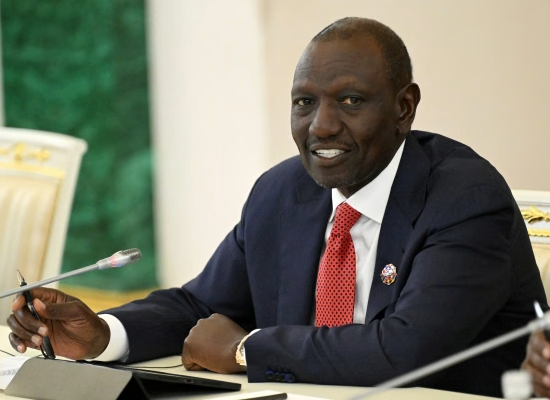
Nigeria’s Minister of Information and National Orientation, Mohammed Idris Malagi, has staunchly defended the economic policies enacted by President Bola Ahmed Tinubu’s administration, calling for accurate and responsible reporting from journalists amidst public debate. The Minister emphasised that while the reforms have presented immediate challenges, they are foundational for Nigeria’s long-term economic stability and growth.
During a recent engagement, Malagi highlighted the necessity of key policy adjustments, particularly the removal of the petrol subsidy and the unification of the foreign exchange market. These measures, he asserted, were critical steps to address decades of economic distortions, curb wasteful spending, and redirect resources towards productive sectors of the economy.
The Minister acknowledged the current economic hardships, including rising inflation and the increased cost of living, which have resulted from these reforms. However, he maintained that these pains are temporary and unavoidable prerequisites for achieving sustainable prosperity, attracting foreign investment, and fostering a competitive business environment in Nigeria.
Malagi was joined by other government officials and economic experts who echoed his sentiments, providing further context on the rationale behind the reforms. They pointed to the severe fiscal strain and economic inefficiencies caused by the previous subsidy regime and the multiple exchange rate system, which deterred investment and fuelled speculative practices.
A central theme of the engagement was the crucial role of the media in accurately informing the public. Minister Malagi urged journalists to avoid sensationalism, verify facts diligently, and present a balanced perspective that explains the government’s objectives and the potential long-term benefits of the economic blueprint. He stressed that informed public discourse is vital for the successful implementation of the reforms.
Economic Rationale and Projected Outcomes
The government’s economic strategy is designed to unlock Nigeria’s productive capacity, attract substantial foreign direct investment, and create an environment where businesses can thrive. Officials outlined projections indicating that with the reforms taking root, sectors such as agriculture, manufacturing, and technology are expected to see significant growth, leading to job creation and improved livelihoods.
Previously, Nigeria’s economy grappled with an unsustainable subsidy burden that consumed a large portion of national revenue, diverting funds that could have been invested in critical infrastructure, education, and healthcare. The fragmented foreign exchange market also created opacity and uncertainty, hindering genuine economic transactions and capital inflows. The current administration’s bold moves aim to rectify these deep-seated issues.
The Central Bank of Nigeria has been instrumental in implementing the foreign exchange market reforms, aiming for a more transparent and market-driven system that can better attract and retain foreign capital. This unification is expected to stabilise the Naira in the medium to long term, providing greater predictability for businesses involved in international trade and investment. The latest policy details can be found on the CBN’s official website.
Economic indicators, while showing short-term inflationary pressures, are closely monitored by institutions like the National Bureau of Statistics (NBS). The government anticipates that these figures will stabilise as the reforms mature and supply-side constraints are addressed. Updated data and reports are regularly published by the National Bureau of Statistics.
Minister Malagi reiterated the administration’s commitment to mitigating the impact of the reforms on vulnerable populations through targeted palliatives and social welfare programmes. He emphasised that robust public engagement and feedback mechanisms are in place to ensure that policies are responsive to the needs of Nigerians, as detailed in reports such as this coverage by BusinessDay. The government remains focused on effective communication to foster understanding and build confidence in its economic trajectory.
Explore more Politics stories and analysis from Business Elites Africa.