
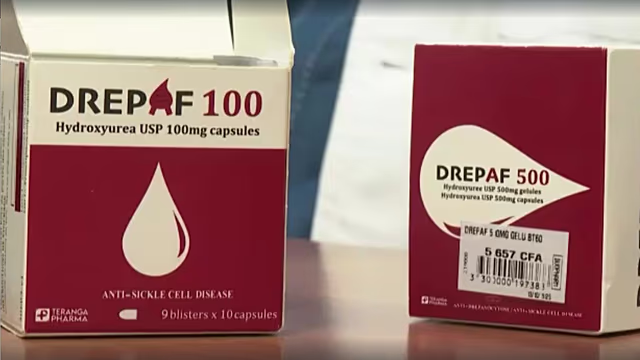
A Senegalese pharmaceutical company has commenced production of the first African-made treatment for sickle cell disease, marking a significant shift in the continent’s capacity to manage the genetic blood disorder locally.
The development addresses a critical healthcare gap in Sub-Saharan Africa, which accounts for approximately 80 per cent of global sickle cell cases. Until now, the region has relied almost exclusively on expensive imported medications to manage the condition.
The move toward local production is part of a broader strategic push by Senegal to establish itself as a regional hub for biotechnology and pharmaceutical manufacturing. By producing the medication domestically, the company aims to drastically reduce the procurement costs that have historically made treatment inaccessible for millions of low-income patients.
Sickle cell disease is an inherited red blood cell disorder that causes episodes of severe pain and organ damage. Management typically requires long-term medication, such as hydroxyurea, which helps reduce the frequency of pain crises and hospitalisations.
The cost of importing these essential drugs has long placed a strain on national health budgets across Africa. Local manufacturing is expected to lower the price point per dose, making the treatment more sustainable for public health systems and individual patients.
Local Production to Reduce Healthcare Costs and Import Dependency
The establishment of local production capacity reduces the vulnerability of African healthcare systems to global supply chain disruptions. During the COVID-19 pandemic, many African nations experienced acute shortages of essential medicines due to export restrictions and logistical bottlenecks in Europe and Asia.
Industry analysts suggest that this development aligns with the African Continental Free Trade Area (AfCFTA) objectives, which encourage the intra-African trade of high-value manufactured goods. If the Senegalese treatment meets international regulatory standards, it could be exported to other African markets, including Nigeria, where the prevalence of sickle cell is among the highest in the world.
The World Health Organization (WHO) has previously urged African member states to increase investment in local vaccine and medicine production to achieve health sovereignty. This Senegalese initiative represents a practical application of that mandate, transitioning from dependency on foreign aid and imports to industrial self-reliance.
From a commercial perspective, the venture demonstrates the viability of high-tech pharmaceutical manufacturing in West Africa. The project required significant investment in specialised laboratory equipment and the recruitment of skilled biotechnologists to ensure the medication meets stringent purity and efficacy standards.
The company indicated that the local version of the treatment is designed to be bioequivalent to the imported versions, meaning it provides the same clinical benefit at a lower cost of production.
However, for the treatment to gain widespread adoption across the continent, it must secure further regulatory approvals and potentially seek WHO prequalification. This process is essential for the drug to be included in the national essential medicines lists of other African countries.
The scaling of this production facility is expected to create high-skilled employment opportunities in Senegal’s growing biotech sector, further diversifying the national economy away from traditional agriculture and raw material exports.
The next phase of the rollout will involve establishing distribution networks to ensure the medication reaches rural clinics, where the need is most acute but infrastructure is often weakest.
The company is expected to announce its distribution partnership agreements and pricing structures for regional markets in the coming months.
Explore more Manufacturing stories and analysis from Business Elites Africa.


