
Wicknell Chivayo, the flamboyant and often polarising Zimbabwean businessman behind Intratrek Zimbabwe, has died following a helicopter crash. Known for his conspicuous displays of wealth and his central role in the nation’s energy procurement debates, Chivayo’s death marks a significant moment for the Zimbabwean corporate landscape.
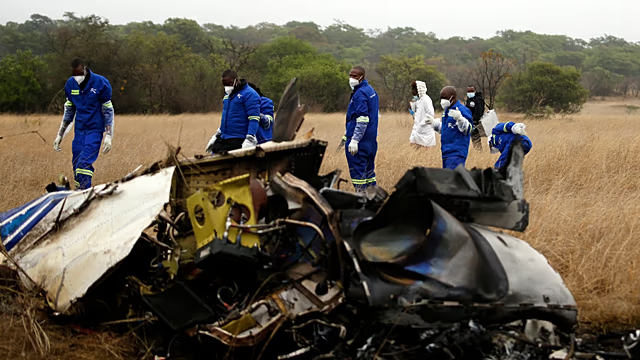
The accident occurred late on Wednesday, with early reports indicating that the private aircraft went down shortly after takeoff. Local authorities in Zimbabwe have launched a formal investigation into the cause of the crash, which claimed the life of one of the country’s most recognisable figures in the private sector.
Chivayo was a figure synonymous with the intersection of business and political patronage in Harare. As the managing director of Intratrek Zimbabwe, he secured several multi-million dollar government contracts, most notably in the renewable energy sector, which frequently placed him at the centre of both commercial success and legal scrutiny.
His business operations were often defined by his ability to navigate the complex regulatory and political environment of Zimbabwe. While supporters viewed him as a successful indigenous entrepreneur who capitalised on local opportunities, critics often pointed to his close ties with the ruling ZANU-PF party as the primary engine of his wealth.
Financial analysts in Harare suggest that his passing creates an immediate leadership vacuum within Intratrek. The company has been a key player in several infrastructure proposals, and the future of its current project pipeline remains uncertain as the board assesses its operational continuity.
The Gwanda Solar Project and Legal Legacy
The defining chapter of Chivayo’s business career was the $173 million Gwanda Solar Project. Awarded by the Zimbabwe Power Company (ZPC), a subsidiary of ZESA Holdings, the project was intended to add 100MW to the national grid but became mired in years of litigation and delays.
Chivayo faced a long-running legal battle involving allegations of fraud and money laundering related to the project’s advance payments. However, in early 2023, the High Court of Zimbabwe cleared him of these charges, with the court ruling that the dispute was essentially a civil matter rather than a criminal one.
The legal victory in 2023 allowed Intratrek to resume its push for the completion of the solar plant. At the time of his death, Chivayo had been vocal about his intention to see the project through to provide a solution to Zimbabwe’s perennial power shortages.
Beyond his energy interests, Chivayo was a major figure in the Zimbabwean social consciousness due to his “Sir Wicknell” persona. He was known for gifting luxury vehicles to musicians, religious leaders, and political figures, a practice that frequently sparked debate regarding the transparency of tender-based wealth in the country.
From a market perspective, Chivayo’s death highlights the risks associated with key-man dependency in Zimbabwean private firms. Intratrek’s ability to maintain its contractual standing with the government may be tested without his personal and political influence.
The Confederation of Zimbabwe Industries (CZI) and other business bodies have yet to release formal statements, but the reaction across the country’s commercial hubs has been a mixture of shock and reflection on the nature of post-independence entrepreneurship.
What happens next will involve a complex probate process. Chivayo’s estate includes a vast collection of luxury real estate and high-end vehicles, alongside his controlling interests in various engineering and procurement firms. The liquidation or transition of these assets will likely be monitored closely by creditors and business partners alike.
The Civil Aviation Authority of Zimbabwe (CAAZ) is expected to release a preliminary report on the helicopter crash within the coming weeks. For now, the business community awaits word from Intratrek’s executive team regarding the company’s structural future and its obligations to the national energy grid.
Explore more Entrepreneur stories and analysis from Business Elites Africa.


