
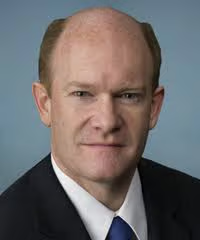
U.S. Senator Chris Coons, a prominent Democrat from Delaware, is set to assume the chairmanship of the influential Senate Foreign Relations Committee following the 2026 election cycle. This appointment is widely anticipated to usher in a period of intensified U.S. engagement and revised policy approaches towards the African continent, given Coons’ well-established record as a vocal advocate for stronger Africa ties.
Coons brings decades of experience and deep connections to Africa, having travelled extensively across the continent and actively championed legislation aimed at fostering economic development, trade, and democratic governance. His leadership of the committee, a pivotal body in shaping American foreign policy, is expected to refocus legislative priorities on areas critical to African economies, including investment, trade, and debt relief.
His ascent to the committee’s top role, which will likely take effect at the start of the new congressional session in early 2027, follows years of dedicated work on African affairs. Coons has been a consistent voice for expanding the African Growth and Opportunity Act (AGOA), advocating for increased U.S. private sector investment, and addressing climate change challenges that disproportionately affect African nations. His engagement has often been characterised by a pragmatic approach, balancing strategic U.S. interests with a genuine understanding of African priorities.
For businesses and investors in Nigeria and across Africa, Coons’ chairmanship could translate into a more predictable and supportive U.S. policy framework. This includes potential bipartisan efforts to enhance trade partnerships, streamline investment processes, and provide more robust support for infrastructure projects and technology transfers. African leaders and policymakers will be closely watching for early signals of his specific agenda, particularly concerning the future of U.S. development finance and security cooperation.
Potential Shifts in US-Africa Economic Engagement
Senator Coons’ leadership is poised to recalibrate the U.S. approach to several critical economic and geopolitical issues concerning Africa. Analysts suggest a renewed emphasis on strengthening democratic institutions, which Coons views as foundational to long-term economic stability and growth. This could influence U.S. foreign aid allocations and support for governance initiatives, potentially impacting countries with evolving political landscapes.
The future of AGOA, a cornerstone of U.S.-Africa trade policy, will likely be a central theme under Coons’ tenure. The programme, which grants duty-free access to the U.S. market for eligible African products, is nearing its expiration. Coons is expected to push for its renewal and potential expansion, possibly incorporating reforms that address concerns about its effectiveness and inclusivity for a wider range of African industries. Such reforms could be highly beneficial for Nigerian exporters looking to diversify their market access beyond traditional destinations.
Furthermore, Coons has previously stressed the importance of countering the growing influence of non-traditional partners in Africa by offering compelling alternatives. This means focusing U.S. efforts on high-quality, transparent investments that genuinely contribute to local economies and job creation. Initiatives such as the U.S. Prosper Africa programme, designed to boost two-way trade and investment, could see increased legislative backing and resources under his leadership. The U.S. Department of State’s engagement on economic growth across Africa is expected to align closely with the SFRC’s priorities.
His emphasis on climate action and sustainable energy transitions also holds significant implications. African nations, particularly Nigeria, are grappling with the dual challenges of energy access and climate vulnerability. Coons is likely to champion legislative measures that facilitate U.S. investment in renewable energy projects, climate-resilient infrastructure, and sustainable agricultural practices across the continent. This could open new avenues for partnerships and financing in green industries.
The appointment of Chris Coons to this critical role signals a strategic intent by the U.S. to re-energise its diplomatic and economic presence in Africa. His extensive network among African leaders and his deep understanding of continental dynamics are expected to foster a more collaborative and effective U.S. foreign policy, potentially unlocking new opportunities for businesses and driving significant economic transformations in the region. The Senate Foreign Relations Committee holds immense power in crafting the legislative framework for these engagements, making Coons’ perspective particularly impactful.
Explore more Politics stories and analysis from Business Elites Africa.


